Beyond the Diagnosis
What If Your Diagnosis Isn’t the Whole Story?
After 17 years of health challenges, I started asking different questions.

Am I surprised? Not really.
Our medical system is incredibly advanced. We have remarkable technology, sophisticated testing, and treatments that save lives every day.
But I’ve also experienced something that deserves a closer look.
Much of conventional medicine relies on a diagnostic process that can feel like a checklist. You have symptom X, symptom Y, and symptom Z. Your test results meet certain criteria.
And voilà! You have a diagnosis.
But here’s the question I wish I’d asked much earlier:
_______________________________________________________________________
The Human Body Isn’t a Checklist
Think about your car. When the check-engine light comes on, you don’t automatically assume the light itself is the problem. You investigate.
Is it the fuel system? A sensor? An electrical issue? Something interfering with how the engine operates?
Now imagine treating every check-engine light with the same solution without ever looking under the hood. We wouldn’t consider that a thorough approach to maintaining a car.

Yet the human body is infinitely more intricate than any automobile. Our cells, organs, nervous system, immune system, hormones, and countless biological processes are constantly communicating and adapting.
A diagnosis can be extremely valuable. It helps identify disease, guide treatment, and sometimes prevent serious complications. But it doesn’t always tell the entire story.
And that’s where my curiosity began.
_______________________________________________________________________
After 17 Years, I Started Looking Somewhere Different
I spent 17 years living through what I can only describe as health hell.
Relapses
Medications
Neurologists
Medical bills
The emotional roller coaster of wondering what my body would do next
I wasn’t looking for another label. I wanted to understand what was happening inside my body. What was interfering with its ability to function? Was there something I hadn’t considered?
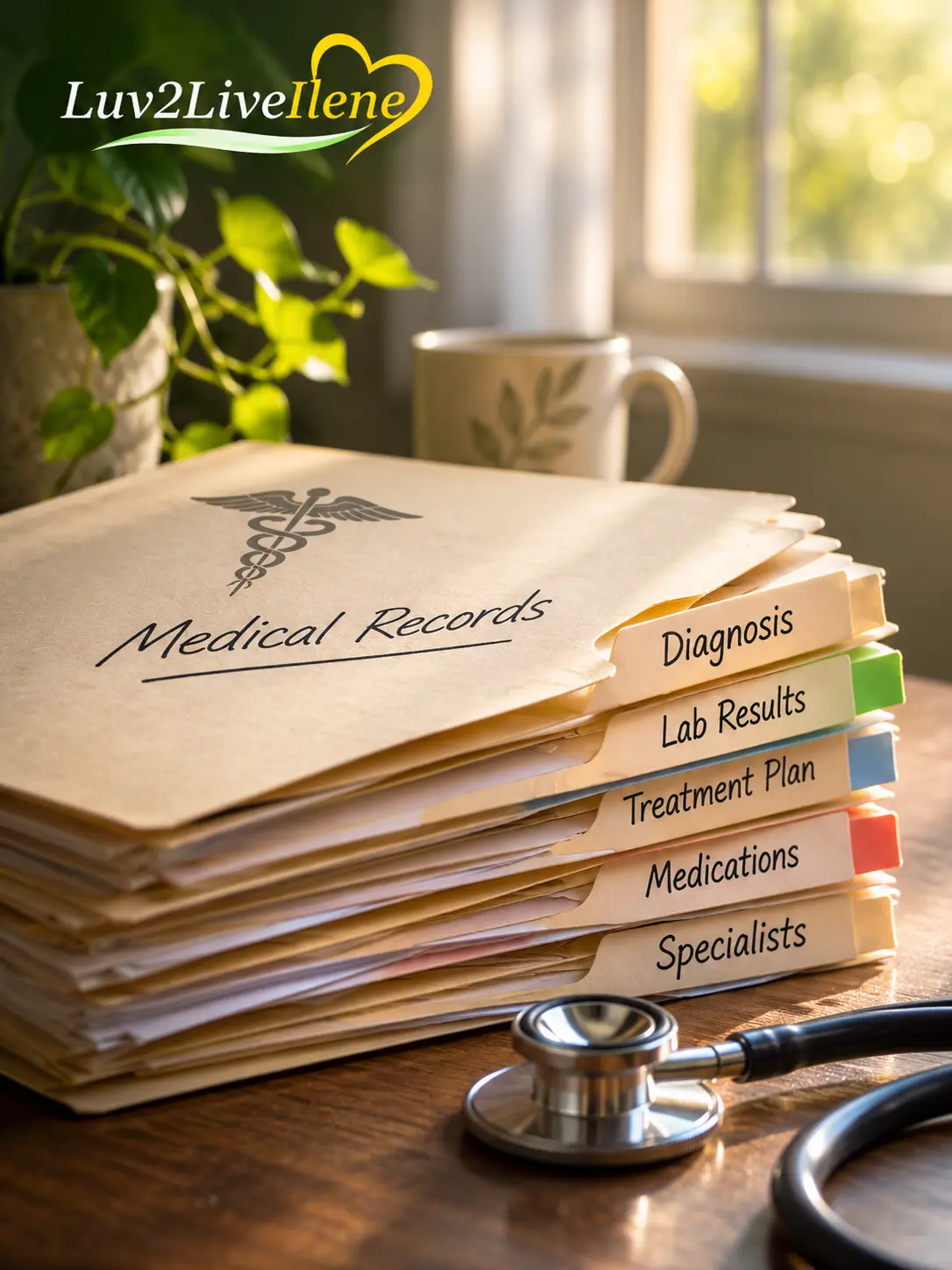
What if I stopped focusing exclusively on the diagnosis and symptoms and started learning about the foundation of the body itself?
How the body functions?
How it is designed to build and repair?
_______________________________________________________________________
Cellular Health: Looking at the Foundation
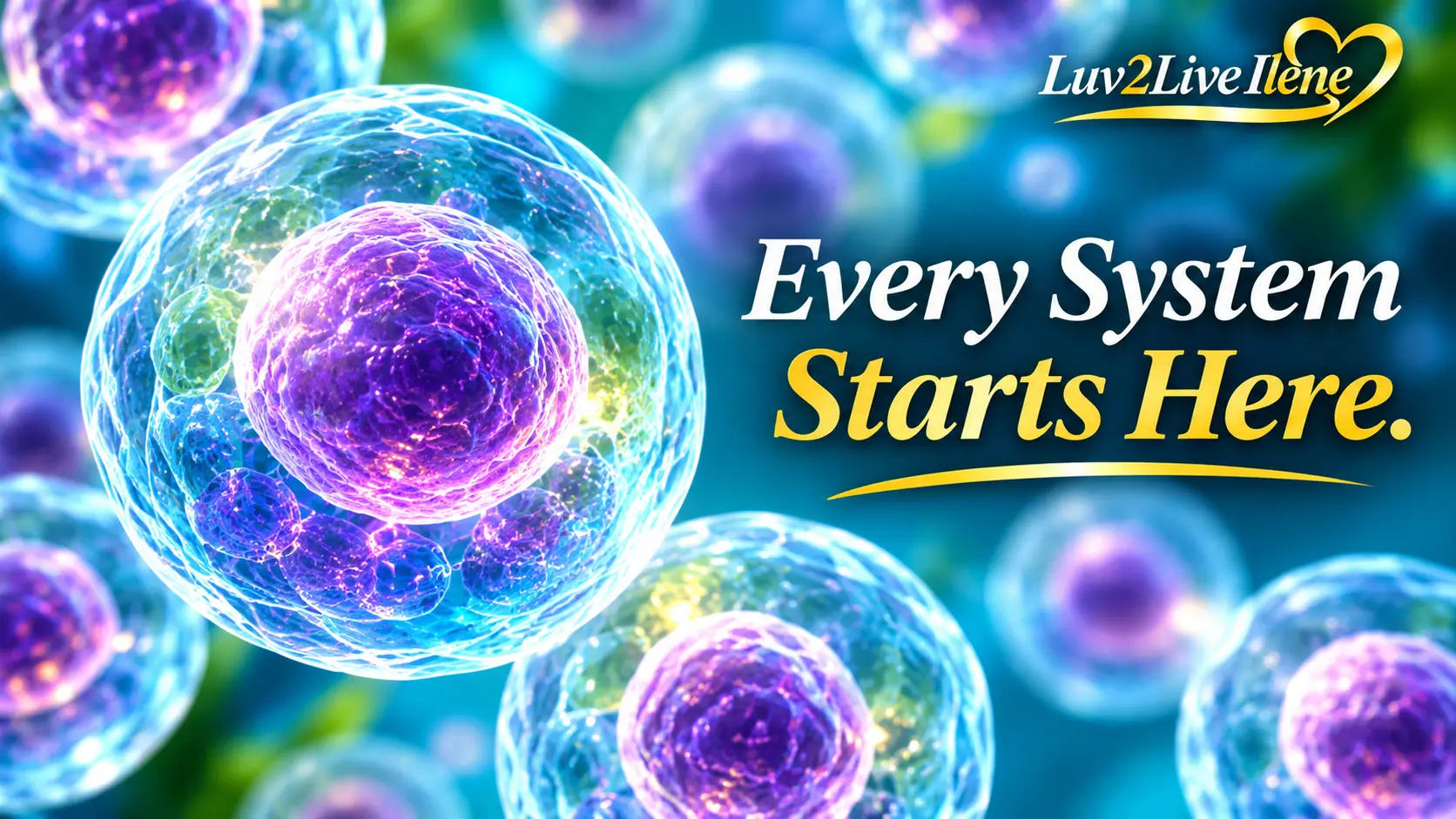
Every organ, tissue, and system in your body depends on cells. Cells need energy, nutrients, communication, protection, and the ability to carry out their specialized functions. When cellular processes are disrupted, the effects can extend throughout the body.
That doesn’t mean every illness begins with the same cellular problem. It certainly doesn’t mean every disease can be reversed by improving nutrition or lifestyle. But it does mean that cellular health is an important part of understanding how the body functions.
Instead of asking only “What do I have, and how do I manage it?” I began asking:
_____________________________________________________
Eleven Years Later, My Life Looks Very Different
After 17 years of health challenges, my experience changed dramatically. Today, I’m celebrating approximately 11 years of progress. (I was told was not possible.)
No relapses during that period
No ongoing disease-modifying medications
No regular neurologist bills
A quality of life I once wondered if I’d ever experience again
I’m not claiming that cellular health alone produced these results. My experience cannot establish what caused my remission or predict what will happen for someone else. I’m also not suggesting anyone discontinue medication or neurological care based on my story.
_____________________________________________________
What I Did to Get Where I Am Today
People always ask, “So what did you actually do?” Here are the foundations I built, step by step. Not a prescription, just the pieces I chose to explore and still use with my family today.
Every body is different, and I’m not a doctor. These are simply the areas I chose to explore, and I’ve gathered the products I personally use and trust in one place so you don’t have to hunt for them.

_____________________________________________________
I believe: There’s More to Your Story - The Next Chapter HAS NOT be Written.
What if your diagnosis is accurate, but there’s still more to understand about your individual health? What if you’ve been so focused on managing symptoms that you’ve never had the opportunity to explore other factors influencing how you feel? What if the next helpful step isn’t replacing what you’re already doing, but expanding your understanding?
That’s what I love about exploring root causes. Not assuming we already know the answer. Not claiming one solution works for everyone. And certainly not dismissing the value of modern medicine.
It’s about remaining curious enough to ask what else might be possible. Because sometimes the most important discovery begins with a question we haven’t thought to ask.
START HERE
EXPLORE
WORK WITH ME
SUPPORT
*Some links or codes on this page may earn me a commission if you purchase. I only share products I’ve chosen to feature.
Copyright 2026 Luv2Live Ilene